

Can a Parcel Cage Trolley be used for transporting furniture parts?
Hey there! I'm a supplier of Parcel Cage Trolleys, and I often get asked if these nifty trolleys can be used for transporting furniture parts. Well, let's dive right into it and find out.
First off, let's talk a bit about what a Parcel Cage Trolley is. It's basically a cage - like structure mounted on wheels. You can find different types, such as Trolley Cages, Mesh Cage Trolley, and Heavy Duty Cage Trolley. These trolleys are designed to be versatile and are commonly used in warehouses, delivery services, and even in some retail settings for moving parcels around.
Now, let's consider furniture parts. Furniture parts can vary greatly in size, shape, weight, and fragility. Some might be small, like screws and knobs, while others could be large, flat pieces of wood or bulky frames.
The Pros of Using a Parcel Cage Trolley for Furniture Parts
1. Organization
One of the biggest advantages is organization. The cage structure of the trolley allows you to keep different furniture parts separated. You can use dividers or simply group similar parts together in different sections of the cage. For example, if you're transporting parts for a dining table, you can keep the tabletop, legs, and hardware in different areas of the cage. This makes it much easier to keep track of everything and ensures that nothing gets lost during the transportation process.
2. Mobility
Parcel Cage Trolleys are on wheels, which means they're highly mobile. You can easily move them around a warehouse, from a storage area to a loading dock, or even around a construction site if you're assembling furniture on - site. This saves a lot of time and effort compared to manually carrying each furniture part.
3. Protection
The cage provides a certain level of protection for the furniture parts. It can prevent them from getting knocked around too much during transportation, reducing the risk of scratches, dents, or breakage. Additionally, if the trolley has a mesh design like the Mesh Cage Trolley, it allows for some ventilation, which can be beneficial if the furniture parts are made of materials that need to breathe.
4. Capacity
Many Parcel Cage Trolleys, especially the Heavy Duty Cage Trolley, have a decent weight capacity. This means you can load multiple furniture parts at once, increasing efficiency. For example, you could load a few chair frames and a stack of seat cushions onto a single trolley and move them all in one go.
The Cons of Using a Parcel Cage Trolley for Furniture Parts
1. Size Limitations
Not all furniture parts will fit neatly into a Parcel Cage Trolley. Some very large or oddly - shaped parts might be too big or too long to be accommodated. For instance, a full - size wardrobe door might be too wide to fit inside the cage, or a long bookshelf panel might stick out, making it difficult to move safely.
2. Fragility Concerns
While the cage provides some protection, it might not be enough for extremely fragile furniture parts. Delicate glass components or intricately carved wooden pieces could still be at risk of damage if they're not properly padded or secured within the trolley.
3. Loading and Unloading
Depending on the design of the trolley, loading and unloading large or heavy furniture parts can be a bit of a hassle. You might have to lift the parts up and over the cage walls, which can be physically demanding and time - consuming.
Tips for Using a Parcel Cage Trolley to Transport Furniture Parts
1. Assess the Parts
Before you load anything, take a good look at the furniture parts. Determine which ones will fit in the trolley and which ones might need alternative transportation methods. If you have some small, lightweight parts, you can group them together in a box and place the box inside the cage.
2. Secure the Parts
Use straps or bungee cords to secure the furniture parts inside the cage. This will prevent them from shifting around during transportation and reduce the risk of damage. For fragile parts, add some extra padding, like bubble wrap or foam, to provide additional protection.
3. Plan Your Route
Make sure the path you'll be taking with the trolley is clear of obstacles. Measure doorways and passageways to ensure the trolley can fit through without any issues. If you're moving the trolley outdoors, be aware of uneven surfaces that could cause the trolley to tip or the furniture parts to bounce around.
4. Use the Right Trolley
Choose the type of Parcel Cage Trolley that best suits your needs. If you're dealing with heavy - duty furniture parts, go for a Heavy Duty Cage Trolley. If you need visibility and ventilation, a Mesh Cage Trolley might be a better option.
In conclusion, a Parcel Cage Trolley can be a great tool for transporting furniture parts, but it's not a one - size - fits - all solution. It has its pros and cons, and you need to carefully consider the nature of the furniture parts you're dealing with. If used correctly, it can significantly improve the efficiency and safety of your furniture part transportation process.
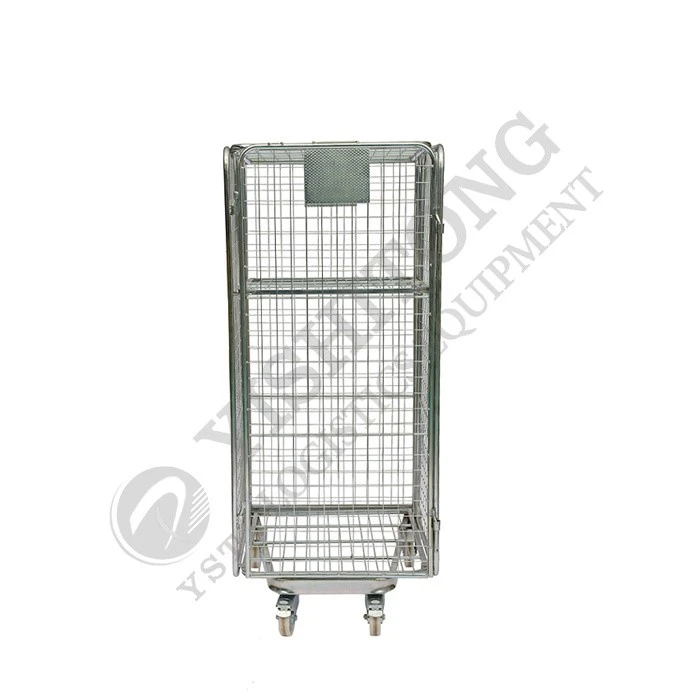

If you're in the market for a high - quality Parcel Cage Trolley for your furniture part transportation needs, don't hesitate to reach out. We offer a wide range of options to suit different requirements and budgets. Let's have a chat about how we can help make your transportation tasks easier.
References
- General knowledge of warehouse equipment and furniture transportation practices.