

Do Laundry Rolltainers require any special maintenance?
As a supplier of Laundry Rolltainers, I often get asked whether these useful pieces of equipment need any special maintenance. In this blog, I'll delve into this question, exploring the factors that influence maintenance requirements and offering practical advice on keeping your Laundry Rolltainers in top - notch condition.
Understanding Laundry Rolltainers
Laundry Rolltainers are essential tools in the laundry industry. They are designed to transport large volumes of laundry efficiently, whether it's dirty laundry from various areas to the laundry facility or clean, folded laundry back to its destination. Their robust construction and mobility make them a staple in commercial, industrial, and even some institutional settings.
There are different types of related products in the market, such as Laundry Roll Pallets, Commercial Laundry Trolley, and Industrial Laundry Trolley On Wheels. Each type has its own features and applications, but they all share the common goal of facilitating laundry handling.
General Maintenance Requirements
In general, Laundry Rolltainers do not require overly complex or special maintenance. However, like any piece of equipment, regular upkeep is necessary to ensure their longevity and optimal performance.
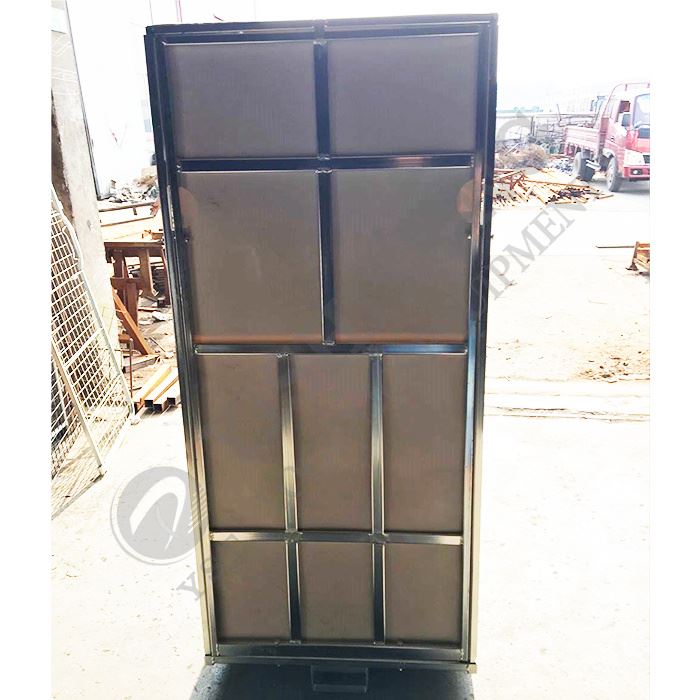

Cleaning
One of the most basic yet crucial maintenance tasks is cleaning. Since Laundry Rolltainers are constantly in contact with dirty laundry, they can accumulate dirt, dust, and even stains over time. Regular cleaning helps prevent the build - up of grime, which can not only make the Rolltainers look unappealing but also potentially damage the materials.
For light soiling, a simple wipe - down with a damp cloth and mild detergent can do the trick. For more stubborn stains, a slightly stronger cleaning solution may be required. It's important to rinse the Rolltainers thoroughly after cleaning to remove any residual detergent, as this can attract more dirt if left on the surface.
Inspection
Regular inspections are also vital. Check the structure of the Rolltainer for any signs of damage, such as cracks, bent bars, or loose joints. A damaged Rolltainer can pose a safety hazard and may not function properly. Pay special attention to the wheels and axles. The wheels should rotate freely without any excessive noise or resistance. If you notice any issues during the inspection, address them promptly to prevent further damage.
Lubrication
The moving parts of the Laundry Rolltainer, especially the wheels and axles, may require lubrication. Over time, friction can cause wear and tear on these components, leading to reduced mobility and potential breakdowns. Using a suitable lubricant can help reduce friction and extend the lifespan of the moving parts. However, be careful not to over - lubricate, as excess lubricant can attract dirt and debris.
Factors Influencing Maintenance Needs
Several factors can influence how much maintenance a Laundry Rolltainer requires.
Usage Frequency
The more frequently a Rolltainer is used, the more maintenance it will likely need. In a high - volume commercial laundry setting where Rolltainers are in constant use, they will experience more wear and tear compared to those used less frequently in a smaller facility. For example, a large hotel laundry that processes hundreds of loads of laundry daily will need to maintain its Rolltainers more rigorously than a small bed - and - breakfast with a lower laundry volume.
Environment
The environment in which the Rolltainers are used also plays a significant role. If they are used in a wet or humid environment, such as a laundry room with poor ventilation, there is a higher risk of rust and corrosion. In such cases, additional protective measures may be necessary, such as applying a rust - resistant coating or using stainless - steel Rolltainers. On the other hand, if the Rolltainers are used in a dusty or dirty environment, more frequent cleaning will be required to prevent the build - up of debris.
Load Capacity
The load capacity of the Rolltainers and how they are loaded can impact maintenance. Overloading a Rolltainer can put excessive stress on its structure, leading to premature damage. It's important to ensure that the Rolltainers are used within their specified load limits. Also, proper loading techniques can help distribute the weight evenly, reducing the strain on individual components.
Special Maintenance for Different Components
Let's take a closer look at the special maintenance requirements for different components of the Laundry Rolltainer.
Wheels
The wheels are one of the most critical components of a Laundry Rolltainer. They need to be able to support the weight of the laundry and move smoothly. As mentioned earlier, regular lubrication is important. Additionally, check the wheels for any signs of wear, such as flat spots or uneven tread. If a wheel is damaged, it should be replaced immediately to prevent further damage to the Rolltainer and to ensure safe operation.
Cage or Container
The cage or container part of the Rolltainer holds the laundry. Inspect it for any signs of damage to the bars or mesh. If there are any holes or gaps, they should be repaired to prevent laundry from falling out. Also, make sure that the doors or access points are functioning properly and can be securely closed.
Frame
The frame provides the structural support for the Rolltainer. Check for any signs of bending or cracking. If the frame is damaged, it can compromise the stability of the entire Rolltainer. In some cases, minor frame repairs can be made, but for more severe damage, it may be necessary to replace the Rolltainer.
Benefits of Proper Maintenance
Proper maintenance of Laundry Rolltainers offers several benefits.
Extended Lifespan
By taking care of your Rolltainers, you can significantly extend their lifespan. This means that you won't have to replace them as often, saving you money in the long run. A well - maintained Rolltainer can last for many years, providing reliable service throughout its life.
Improved Safety
A properly maintained Rolltainer is a safer Rolltainer. Damaged or poorly maintained Rolltainers can pose a risk of injury to operators. For example, a loose wheel or a cracked frame can cause the Rolltainer to tip over, potentially leading to accidents. Regular maintenance helps identify and address these safety issues before they become a problem.
Enhanced Performance
Well - maintained Rolltainers perform better. They move more smoothly, can carry loads more efficiently, and are less likely to break down during use. This can improve the overall efficiency of your laundry operations, reducing downtime and increasing productivity.
Conclusion
In conclusion, while Laundry Rolltainers do not require extremely special maintenance, regular upkeep is essential. Cleaning, inspection, and lubrication are the key aspects of maintenance, and the specific needs can be influenced by factors such as usage frequency, environment, and load capacity. By taking good care of your Laundry Rolltainers, you can enjoy their benefits for a long time, including extended lifespan, improved safety, and enhanced performance.
If you're in the market for high - quality Laundry Rolltainers or need more advice on their maintenance, feel free to reach out to us. We're here to help you make the best choices for your laundry operations.
References
- Industry best practices for laundry equipment maintenance.
- Manufacturer's guidelines for Laundry Rolltainer maintenance.