

Hey there! As a supplier of Nestable Roll Cages, I've seen firsthand how important it is to keep pests out of these handy storage and transport units. Pests can not only damage the goods stored inside the cages but also pose a health risk. So, let's dive into some practical ways to prevent pests from getting into a Nestable Roll Cage.
Keep It Clean
First things first, cleanliness is key. Pests are attracted to food residues, dirt, and debris. If you've been using the cage to transport or store food items, make sure to wipe it down thoroughly after each use. Use a mild detergent and warm water to clean the cage. Pay special attention to the corners and crevices where dirt can accumulate.
For example, if you've used the cage to transport fruits, there might be some juice spills. These can attract fruit flies and ants. By cleaning the cage right away, you eliminate the food source that would otherwise draw pests in. Regular cleaning also helps in maintaining the structural integrity of the cage. Over time, dirt and grime can cause corrosion, especially if the cage is made of metal.
Seal the Gaps
Nestable Roll Cages often have some small gaps or openings, especially where the panels are joined or at the wheels. These gaps can be an entry point for pests. You can use weatherstripping or sealant to close these gaps. It doesn't have to be a perfect seal, but reducing the size of the openings can make it much harder for pests like rodents and insects to get in.
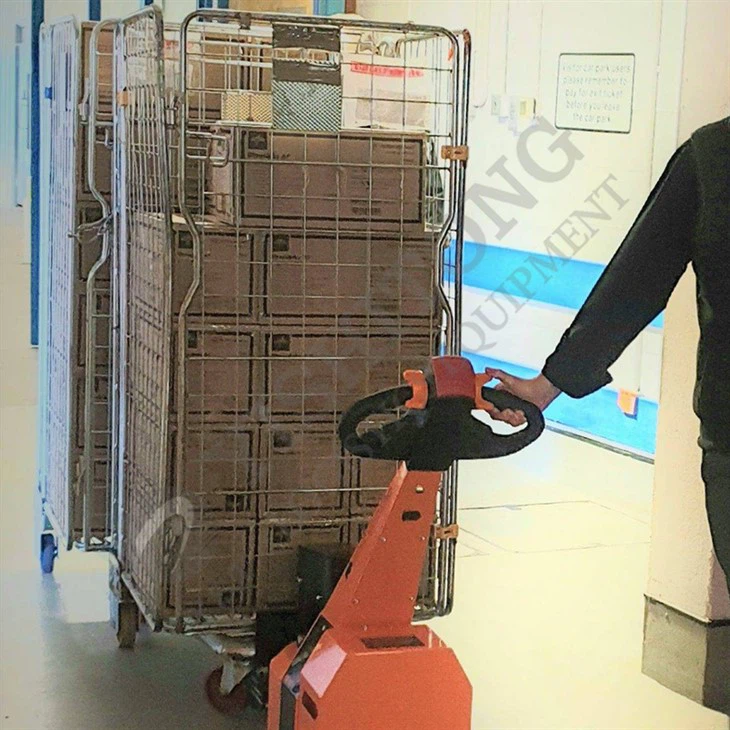
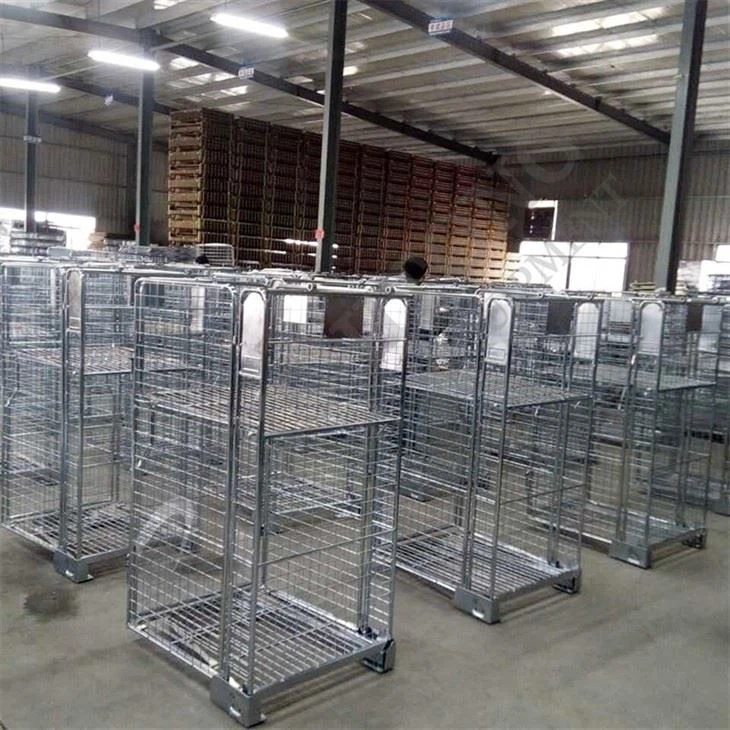
If you're using a Roll Pallet Roll Cage, check the joints between the pallet and the cage. Sometimes, there can be a small space that pests can squeeze through. A simple application of sealant can solve this problem. Similarly, for Foldable Roll Cage Pallet, when it's folded, there might be gaps that need sealing.
Store in a Clean Environment
The location where you store the Nestable Roll Cage matters a lot. If the storage area is dirty, cluttered, or has a pest problem, it's only a matter of time before pests find their way into the cage. Keep the storage area clean and well - ventilated. Remove any standing water, as it can attract mosquitoes and other insects.
If possible, store the cages off the ground. This not only reduces the risk of pests crawling in from the floor but also helps in preventing moisture damage. You can use pallets or racks to elevate the cages. Also, make sure the storage area is well - lit. Pests, especially rodents, prefer dark and secluded places.
Use Pest Repellents
There are various pest repellents available in the market that can be used around the Nestable Roll Cages. For insects, you can use natural repellents like essential oils. Peppermint oil, for example, is known to repel ants, spiders, and mosquitoes. You can soak a cotton ball in peppermint oil and place it near the cage.
For rodents, ultrasonic pest repellents can be effective. These devices emit high - frequency sound waves that are unpleasant for rodents but inaudible to humans. However, keep in mind that the effectiveness of these repellents can vary depending on the type of pest and the environment.
Inspect Regularly
Make it a habit to inspect the Nestable Roll Cages regularly. Look for any signs of pest activity, such as droppings, gnaw marks, or webs. If you notice any signs, take immediate action. You might need to clean the cage more thoroughly, apply additional sealant, or use stronger pest control methods.
For Metal Roll Cage Trolley, inspect the metal parts for any signs of damage that could be an entry point for pests. Rusty areas can sometimes create small holes or weaken the structure, making it easier for pests to get in.
Keep the Surroundings Tidy
The area around the Nestable Roll Cages should be kept tidy. Trim any bushes or overgrown vegetation near the storage area. Vegetation can provide shelter for pests and make it easier for them to access the cages. Remove any trash or debris from the vicinity.
If you're using the cages in a warehouse or industrial setting, make sure the aisles are clear. Cluttered aisles can make it difficult to detect pest activity and can also provide hiding places for pests.
Use Mesh Screens
Another effective way to prevent pests from getting into the cage is to use mesh screens. You can install mesh screens on the openings of the cage. The mesh should be fine enough to keep out insects and small rodents. This is especially useful if you're using the cage to store items that are particularly attractive to pests, such as food products.
Mesh screens are relatively easy to install and can be removed for cleaning. They also allow for proper ventilation, which is important to prevent the buildup of moisture inside the cage.
Train Your Staff
If you have employees handling the Nestable Roll Cages, make sure they are trained on pest prevention. Teach them about the importance of cleanliness, proper storage, and how to identify signs of pest activity. Encourage them to report any issues immediately.
A well - informed staff can play a crucial role in keeping pests out of the cages. They can be the first line of defense in preventing pest infestations.
In conclusion, preventing pests from getting into a Nestable Roll Cage requires a combination of good hygiene practices, proper storage, and the use of preventive measures. By following these tips, you can ensure that your cages remain pest - free and your stored items are protected.
If you're interested in purchasing high - quality Nestable Roll Cages or have any questions about pest prevention, feel free to reach out for a procurement discussion. We're here to help you find the best solutions for your storage and transport needs.
References
- "Pest Control in Storage Facilities" - A guide on maintaining pest - free storage areas.
- "Effective Ways to Seal Gaps in Metal Structures" - A resource on sealing techniques for metal cages.
- "Natural Pest Repellents for Industrial Use" - Information on using natural substances to repel pests.