

How long does a Roll Cage Trolley last?
As a supplier of Roll Cage Trolleys, I often get asked about the lifespan of these versatile pieces of equipment. The durability and longevity of a Roll Cage Trolley depend on several factors, which I'll explore in detail in this blog post.
Factors Affecting the Lifespan of a Roll Cage Trolley
Material Quality
The quality of materials used in the construction of a Roll Cage Trolley is perhaps the most significant factor influencing its lifespan. High - grade steel, for example, is more resistant to rust, corrosion, and physical damage compared to lower - quality alternatives.
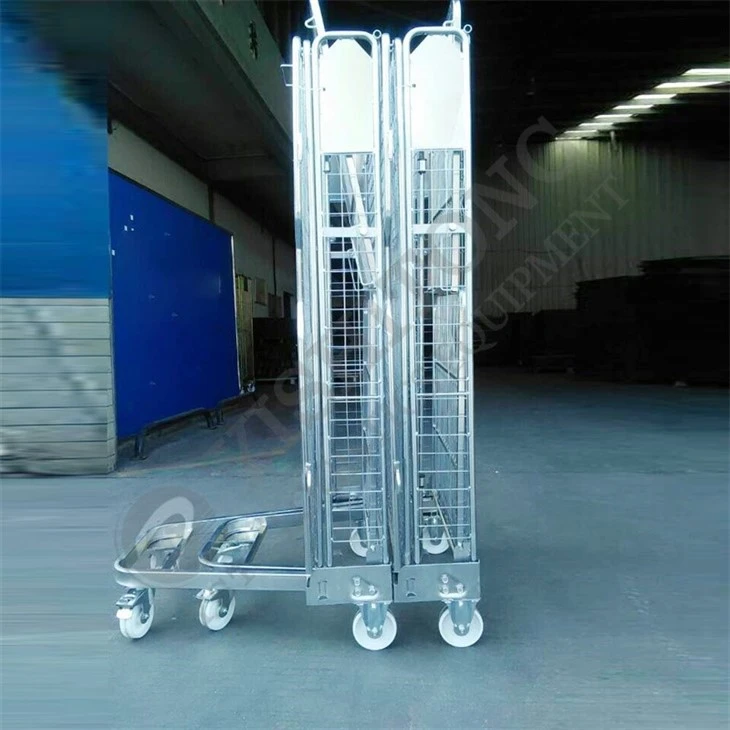
We offer 3 Side Roll Cage and Rolling Metal Storage Cage made from top - notch galvanized steel. Galvanization is a process that coats the steel with a layer of zinc, which acts as a sacrificial anode. This means that the zinc corrodes instead of the steel, significantly extending the life of the cage. Our Galvanized Steel Roll Cage can withstand harsh environmental conditions, such as exposure to moisture and chemicals, without showing signs of rust for many years.
Usage Intensity
How frequently and intensively a Roll Cage Trolley is used also plays a crucial role in determining its lifespan. In a high - volume warehouse where trolleys are in constant motion, carrying heavy loads throughout the day, the wear and tear will be much greater than in a less busy environment.
For example, if a trolley is used to transport large and heavy items on a rough floor surface, the wheels and the frame will experience more stress. Over time, this can lead to issues such as wheel damage, bent frames, or loose joints. On the other hand, in a light - duty setting, like a small retail store where the trolleys are used only occasionally to move small items, the lifespan can be significantly longer.
Maintenance and Care
Proper maintenance and care can greatly extend the life of a Roll Cage Trolley. Regular cleaning to remove dirt, debris, and corrosive substances is essential. Lubricating the wheels and hinges can prevent them from seizing up and reduce friction, which in turn reduces wear.
Inspecting the trolley for any signs of damage, such as cracks in the frame or loose parts, and addressing these issues promptly can prevent further damage and ensure the trolley remains in good working condition. For instance, if a wheel starts to wobble, replacing it immediately can prevent damage to the axle and other parts of the trolley.
Environmental Conditions
The environment in which the Roll Cage Trolley is used can have a profound impact on its lifespan. Trolleys used in outdoor settings are exposed to the elements, including rain, snow, and sunlight. This can cause the metal to rust and the paint to fade. In a humid or coastal environment, the risk of corrosion is even higher due to the presence of salt in the air.
Indoor environments can also pose challenges. For example, in a food processing facility, trolleys may be exposed to cleaning chemicals, which can corrode the metal if not properly rinsed off. In a manufacturing plant, there may be dust and debris that can get into the moving parts of the trolley and cause damage.
Average Lifespan Estimates
Based on our experience and customer feedback, a well - made and properly maintained Roll Cage Trolley can last anywhere from 5 to 15 years.
In a light - duty indoor environment, such as a small office or a boutique store, where the trolley is used sparingly and kept in a clean and dry place, it can easily last 10 to 15 years. The low usage intensity and favorable environmental conditions minimize wear and tear.
In a medium - duty setting, like a medium - sized warehouse with regular but not excessive use, a Roll Cage Trolley can have a lifespan of 7 to 10 years. With proper maintenance, including regular cleaning and lubrication, the trolley can continue to function effectively for this period.
In a heavy - duty environment, such as a large distribution center or a manufacturing plant with high - volume operations, the lifespan may be closer to 5 to 7 years. The constant movement, heavy loads, and exposure to harsh conditions will take a toll on the trolley, but with proactive maintenance, it can still serve its purpose for a reasonable amount of time.

Extending the Lifespan of Your Roll Cage Trolley
Here are some tips to help you get the most out of your Roll Cage Trolley:
- Choose the Right Trolley: Select a trolley that is suitable for your specific needs. Consider the load capacity, the type of environment it will be used in, and the frequency of use. Our range of Roll Cage Trolleys is designed to meet different requirements, so you can find the perfect one for your business.
- Implement a Maintenance Schedule: Set up a regular maintenance schedule that includes cleaning, lubricating, and inspecting the trolley. This will help you catch any potential problems early and prevent them from becoming major issues.
- Train Your Staff: Make sure your employees know how to use the Roll Cage Trolley correctly. Improper handling, such as overloading the trolley or hitting it against hard surfaces, can cause unnecessary damage.
- Store the Trolley Properly: When not in use, store the trolley in a dry and protected area. This will protect it from the elements and reduce the risk of corrosion.
Conclusion
The lifespan of a Roll Cage Trolley is influenced by several factors, including material quality, usage intensity, maintenance, and environmental conditions. By choosing a high - quality trolley, using it correctly, and providing proper maintenance, you can ensure that your Roll Cage Trolley serves you well for many years.
If you're in the market for a Roll Cage Trolley or have any questions about our products, we'd love to hear from you. Contact us to discuss your requirements and find the best solution for your business.
References
- Industrial Equipment Maintenance Handbook
- Steel Manufacturing and Corrosion Resistance Studies