

Hey there! As a laundry cage supplier, I've gotten tons of questions about the differences between plastic and metal laundry cages. It's a common query, especially for those looking to upgrade their laundry storage or handling systems. So, let's dive right in and break down the key differences between these two types of laundry cages.
Material and Durability
First off, let's talk about the materials. Plastic laundry cages are typically made from high - density polyethylene (HDPE) or other similar plastics. These plastics are known for being lightweight and resistant to corrosion. You won't have to worry about rust or oxidation, which is a huge plus, especially if the cages are going to be used in a humid environment.
On the flip side, metal laundry cages, like the ones you can check out at Metal Laundry Trolley and Steel Laundry Cage, are usually constructed from steel or other metals. Metals are much more robust and can withstand a lot of wear and tear. They're great for heavy - duty use, such as in large commercial laundries where the cages are constantly being moved around, loaded, and unloaded.
In terms of durability, metal laundry cages have the upper hand. They can last for decades with proper maintenance. Plastic cages, while durable in their own right, may crack or break over time, especially if they're subjected to rough handling or extreme temperatures.
Weight and Mobility
Weight is a crucial factor when it comes to laundry cages. Plastic cages are significantly lighter than their metal counterparts. This makes them easier to move around, especially if you're working in a smaller space or if you have to transport the cages by hand. For example, in a small hotel laundry, it might be more practical to use plastic cages because the staff can easily maneuver them.
Metal cages, being heavier, can be a bit more challenging to move. However, they often come with better - built wheels and frames. Many commercial metal laundry cages, like the Commercial Laundry Trolley, are designed with heavy - duty casters that can handle the weight and provide smooth movement. So, while they're heavier, they're still very mobile when properly designed.
Cost
Cost is always a consideration for businesses and individuals alike. Plastic laundry cages are generally more affordable than metal ones. They require less raw material and are easier to manufacture, which translates to a lower price tag. If you're on a tight budget or just need a few cages for personal use, plastic cages might be the way to go.
Metal cages, on the other hand, are more expensive. The cost of the metal, along with the manufacturing processes involved in creating a sturdy frame and structure, drives up the price. But remember, you're paying for durability and heavy - duty performance. In the long run, if you're running a large - scale laundry operation, the investment in metal cages can pay off as they'll last longer and require less frequent replacement.
Hygiene and Cleaning
Hygiene is of utmost importance in a laundry environment. Plastic cages are relatively easy to clean. They have a smooth surface that doesn't hold onto dirt and grime as easily as metal. You can simply wipe them down with a damp cloth or use a mild cleaning solution. Also, since they're resistant to corrosion, there's no risk of rust staining the laundry.
Metal cages can be a bit more challenging to clean, especially if they have a lot of crevices and joints. However, they can be sanitized more effectively with stronger cleaning agents. Metal is also less likely to harbor bacteria compared to some plastics. In a commercial laundry setting, where strict hygiene standards are in place, metal cages may be preferred despite the extra cleaning effort.
Aesthetics and Customization
When it comes to looks, plastic cages come in a variety of colors, which can be great for color - coding different types of laundry or for matching the decor of your laundry area. They have a more modern and sleek appearance.
Metal cages, on the other hand, have a more industrial look. But they offer more options for customization. You can add shelves, hooks, or other accessories to the metal frame to make the cage more functional. For example, in a large hospital laundry, you might want to customize the metal cages with dividers to separate different types of linens.
Usage and Application
The choice between plastic and metal laundry cages also depends on how you plan to use them. Plastic cages are ideal for light - to - medium - duty applications, such as in small laundromats, hotels, or home use. They're great for storing and transporting regular laundry items like sheets, towels, and clothing.
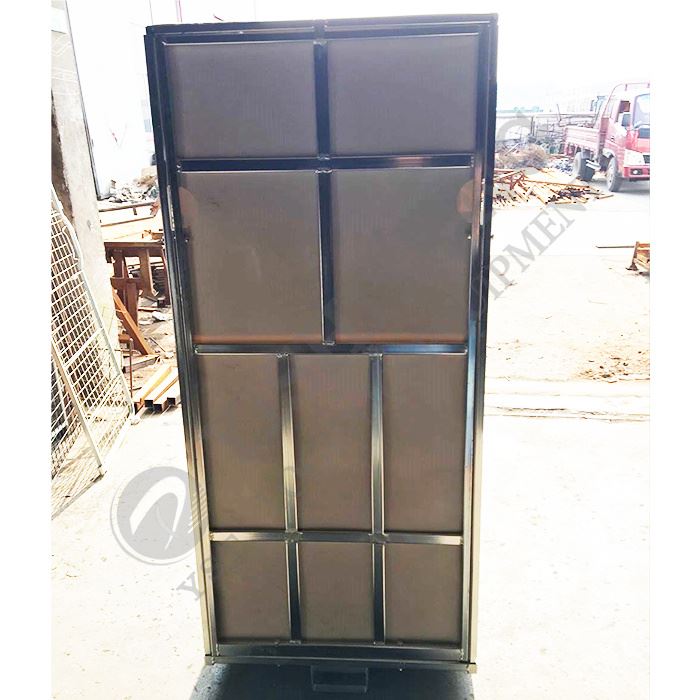

Metal cages are better suited for heavy - duty commercial applications. They're commonly used in large laundries that service hospitals, nursing homes, and industrial facilities. These cages can handle large volumes of heavy laundry, such as bed linens and work uniforms.
Conclusion
So, there you have it! The differences between plastic and metal laundry cages are quite significant. Plastic cages are lightweight, affordable, and easy to clean, making them a great choice for smaller operations or personal use. Metal cages, on the other hand, are durable, heavy - duty, and offer more customization options, which is ideal for large - scale commercial laundries.
If you're in the market for laundry cages and still not sure which type is right for you, don't hesitate to reach out. We're here to help you make the best decision based on your specific needs and budget. Whether you're looking for a few plastic cages for your home or a fleet of metal cages for your commercial laundry, we've got you covered. Let's have a chat and see how we can meet your laundry cage requirements!
References
- Industry reports on laundry equipment materials
- Manufacturer specifications for plastic and metal laundry cages