

Hey there! As a supplier of Roll Cage Containers, I often get asked about how long these nifty storage and transport solutions can last. Well, let's dig into the factors that affect the lifespan of a Roll Cage Container and give you a better idea of what to expect.
Understanding Roll Cage Containers
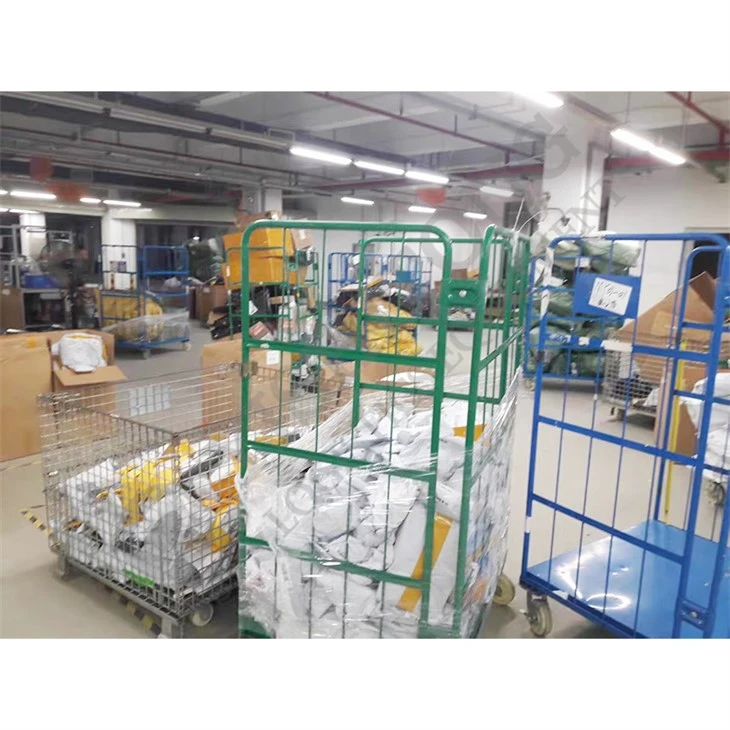
First off, Roll Cage Containers come in different types and styles to suit various needs. You've got the Roll Container Warehouse, which is designed specifically for warehouse use. These are usually sturdier and built to handle the heavy - duty environment of a bustling warehouse. Then there are the Wire Mesh Roll Container, which offer great visibility of the contents inside and are often used in retail and distribution. And don't forget the Pallet Roll Container, which are super useful for transporting goods on pallets.

Factors Affecting Lifespan
Material Quality
The quality of materials used in making a Roll Cage Container is a huge factor in determining its lifespan. High - grade steel is often the go - to material because it's strong, durable, and resistant to corrosion. Containers made from cheap or low - quality steel are likely to rust quickly, especially if they're exposed to moisture or harsh chemicals. For example, if you're using a Roll Cage Container in a damp warehouse or a coastal area where the air is salty, a high - quality, galvanized steel container will last much longer than one made from regular steel.
Usage Intensity
How often and how hard you use the Roll Cage Container also plays a big role. If you're using it for light - duty tasks like storing small items in a back - office storage area, it can last for a very long time. On the other hand, if it's constantly being loaded with heavy goods, pushed around rough floors, and used in a high - traffic environment like a busy distribution center, its lifespan will be shorter. The constant wear and tear from heavy loads and rough handling can cause the frame to bend, the wheels to wear out, and the joints to loosen over time.
Maintenance
Proper maintenance can significantly extend the lifespan of a Roll Cage Container. Regularly cleaning the container to remove dirt, debris, and any corrosive substances is essential. You should also check the wheels for wear and tear and replace them if necessary. Lubricating the moving parts, like the hinges and the locking mechanisms, can prevent them from seizing up. And don't forget to inspect the frame for any signs of damage, such as cracks or bends, and repair them as soon as possible.
Environmental Conditions
The environment in which the Roll Cage Container is used and stored matters a lot. If it's kept in a clean, dry, and temperature - controlled environment, it will last longer. Exposure to extreme temperatures, whether it's scorching heat or freezing cold, can cause the materials to expand or contract, which may lead to damage. Similarly, if the container is exposed to chemicals, such as cleaning agents or industrial solvents, it can corrode the steel and weaken the structure.
Average Lifespan Estimates
Based on the factors we've discussed, here are some rough estimates of the lifespan of different types of Roll Cage Containers:
Light - Duty Containers
For light - duty Roll Cage Containers used in office or retail settings with minimal usage, they can last anywhere from 10 to 15 years. These containers are usually made from thinner gauge steel and are designed for lighter loads. As long as they're properly maintained and not exposed to harsh conditions, they can serve you well for a long time.
Medium - Duty Containers
Medium - duty containers, which are commonly used in warehouses and small - scale distribution centers, have an average lifespan of 7 to 10 years. They're built to handle more weight and more frequent use, but the increased stress can take a toll on them over time. Regular maintenance is crucial to ensure they reach the upper end of this lifespan range.
Heavy - Duty Containers
Heavy - duty Roll Cage Containers, used in large - scale industrial applications and high - traffic distribution hubs, typically last between 5 and 7 years. These containers are constantly under heavy load and are subject to rough handling, so their components wear out faster. However, with excellent maintenance and high - quality materials, it's possible to extend their lifespan a bit.
Tips to Extend the Lifespan
Here are some practical tips to help you get the most out of your Roll Cage Containers:
- Choose the Right Container: Make sure you select a container that's appropriate for your specific needs. Don't use a light - duty container for heavy - duty tasks.
- Train Your Staff: If multiple people are using the containers, train them on proper handling techniques. This can prevent unnecessary damage caused by improper loading or rough pushing.
- Implement a Maintenance Schedule: Set up a regular maintenance routine, including cleaning, inspections, and part replacements. This will catch any potential problems early and keep the containers in good working condition.
- Store Properly: When not in use, store the containers in a clean, dry place. If possible, stack them in a way that doesn't put too much stress on the frames.
Conclusion
So, there you have it! The lifespan of a Roll Cage Container can vary widely depending on material quality, usage intensity, maintenance, and environmental conditions. As a supplier, I can tell you that investing in high - quality containers and taking good care of them is the key to getting the most value out of your purchase.
If you're in the market for Roll Cage Containers, whether it's the Roll Container Warehouse, Wire Mesh Roll Container, or Pallet Roll Container, I'd love to help you find the perfect solution for your business. Reach out to me, and we can have a chat about your requirements and how we can meet them.
References
- Industry reports on industrial storage equipment durability
- Manufacturer's guidelines for Roll Cage Container maintenance and usage