

As a supplier of Mesh Cage Trolleys, I often get asked about the stability of these essential pieces of equipment. Stability is a crucial factor when it comes to choosing the right trolley for your material handling needs. In this blog post, I'll delve into what stability means for a Mesh Cage Trolley, the factors that affect it, and why it matters in various industries.
Understanding the Concept of Stability in Mesh Cage Trolleys
Stability in a Mesh Cage Trolley refers to its ability to remain upright and balanced under different conditions. A stable trolley is less likely to tip over, which is vital for preventing accidents, protecting the goods being transported, and ensuring the safety of the operators. When a trolley is unstable, it can lead to damaged products, workplace injuries, and operational disruptions.
Static Stability
Static stability is the trolley's ability to stand still without tipping over. This is determined by its design, including the base width, center of gravity, and the distribution of weight on the cage. A wider base generally provides more stability, as it offers a larger area of support. The center of gravity, which is the point where the weight of the trolley and its load is concentrated, should be kept as low as possible. A lower center of gravity makes the trolley less likely to tip over, especially when it is stationary.
Dynamic Stability
Dynamic stability comes into play when the trolley is in motion. It involves the trolley's ability to maintain balance while being pushed, pulled, or turned. Factors such as the quality of the wheels, the smoothness of the surface, and the speed at which the trolley is moving all affect dynamic stability. High - quality wheels with good traction and shock - absorbing capabilities can help improve dynamic stability, especially on uneven surfaces.
Factors Affecting the Stability of Mesh Cage Trolleys
Design and Construction
The design of the Mesh Cage Trolley is a fundamental factor in its stability. The frame structure should be rigid and well - constructed to withstand the weight of the load. A sturdy frame made of high - grade steel or other durable materials can provide the necessary support. The mesh used in the cage should also be properly attached to the frame to ensure that it does not shift or cause an imbalance.
The shape of the cage can also impact stability. A cage with a wider base and a more compact top is generally more stable than one with a narrow base and a large, top - heavy cage. Additionally, the presence of reinforcements, such as cross - bars or corner braces, can enhance the overall strength and stability of the trolley.
Load Distribution
Proper load distribution is essential for maintaining the stability of a Mesh Cage Trolley. When loading the trolley, the weight should be evenly distributed across the cage. Placing too much weight on one side or at the top of the cage can shift the center of gravity and increase the risk of tipping. It is recommended to place heavier items at the bottom and towards the center of the cage to keep the center of gravity low and balanced.
Wheel Quality and Configuration
The wheels of a Mesh Cage Trolley play a significant role in its stability. High - quality wheels that are made of durable materials, such as polyurethane or rubber, can provide better traction and shock absorption. They can also handle different types of surfaces more effectively, reducing the risk of skidding or tipping.
The configuration of the wheels, including the number of wheels and their arrangement, also affects stability. Trolleys with four or more wheels generally offer better stability than those with fewer wheels. Additionally, swivel wheels at the front and fixed wheels at the back can provide better maneuverability while maintaining stability during movement.
Why Stability Matters in Different Industries
Warehousing and Logistics
In the warehousing and logistics industry, Mesh Cage Trolleys are used to transport large volumes of goods. A stable trolley is essential for safely moving heavy and bulky items from one location to another. Unstable trolleys can cause damage to the goods, leading to financial losses. Moreover, they pose a significant safety risk to warehouse workers, who may be injured if the trolley tips over. A stable Mesh Cage Trolley can improve efficiency by allowing for faster and safer movement of goods, reducing the time spent on loading and unloading.
Retail
Retail stores often use Mesh Cage Trolleys to restock shelves and move merchandise around the store. In a busy retail environment, stability is crucial to prevent accidents and ensure the smooth flow of operations. A stable trolley can be easily maneuvered through narrow aisles without the risk of knocking over products or causing disruptions. It also helps in presenting a professional and organized image to customers.
Manufacturing
In manufacturing plants, Mesh Cage Trolleys are used to transport raw materials, work - in - progress, and finished products. The stability of these trolleys is vital for maintaining the integrity of the manufacturing process. Unstable trolleys can cause damage to delicate components, leading to production delays and increased costs. A stable trolley can ensure that materials are transported safely and efficiently within the plant.
Ensuring the Stability of Your Mesh Cage Trolleys
Regular Maintenance
Regular maintenance is key to ensuring the stability of Mesh Cage Trolleys. This includes checking the frame for any signs of damage or wear, such as cracks or loose joints. The wheels should be inspected for proper alignment, wear, and tear, and should be replaced if necessary. The mesh should also be checked for any loose or damaged sections and repaired as needed.

Operator Training
Proper operator training is essential for maintaining the stability of Mesh Cage Trolleys. Operators should be trained on how to load the trolley correctly, how to push and pull it safely, and how to handle it on different surfaces. They should also be aware of the maximum load capacity of the trolley and should never exceed it.
The Importance of Choosing the Right Mesh Cage Trolley
When selecting a Mesh Cage Trolley, it is crucial to choose one that offers high stability. Consider the design, construction, load capacity, and wheel quality of the trolley. Look for trolleys that are specifically designed for your industry's needs. For example, if you work in a warehouse with a lot of heavy - duty items, you may need a trolley with a wider base and a higher load capacity.
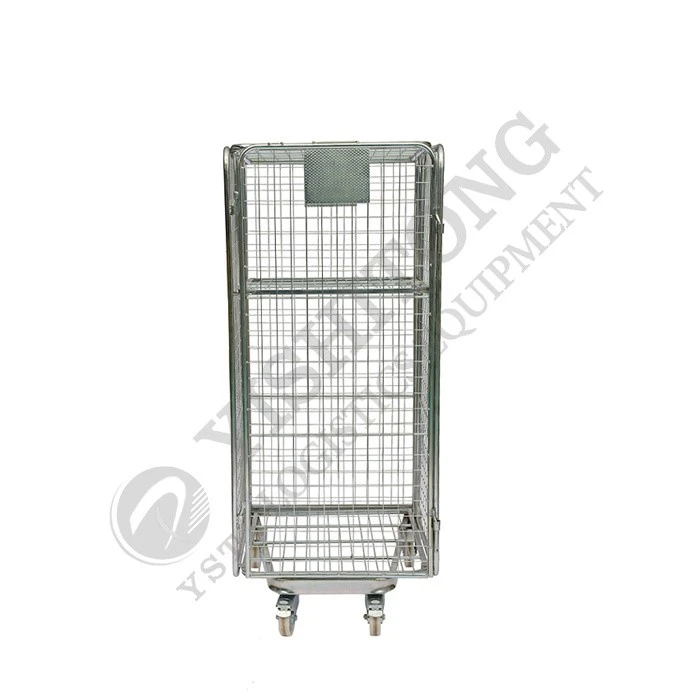
At our company, we offer a wide range of Mesh Cage Trolleys that are designed with stability in mind. Our trolleys are made of high - quality materials and are built to last. We also offer Metal Cage Trolleys and Rigid Distribution Cages that provide excellent stability for various applications.
If you are in the market for a reliable and stable Mesh Cage Trolley, we encourage you to contact us for more information. Our team of experts can help you choose the right trolley for your specific needs and provide you with all the details you need for a successful purchase. Whether you are a small business or a large corporation, we have the solutions to meet your material handling requirements.
Conclusion
The stability of a Mesh Cage Trolley is a critical factor that should not be overlooked. It affects the safety of operators, the integrity of the goods being transported, and the overall efficiency of operations. By understanding the factors that affect stability, such as design, load distribution, and wheel quality, and by taking steps to ensure proper maintenance and operator training, you can maximize the stability of your Mesh Cage Trolleys.
If you have any questions or would like to discuss your requirements for Mesh Cage Trolleys, please feel free to reach out to us. We are here to help you find the best solution for your business.
References
- "Material Handling Equipment Handbook" by John A. White
- "Industrial Trolley Design and Safety Standards" by the International Material Handling Institute
- "Best Practices for Load Distribution in Trolleys" by the National Institute for Occupational Safety and Health