

When it comes to roll containers, selecting the right labels is crucial for various reasons, from inventory management to safety compliance. As a roll container supplier, I've witnessed firsthand the impact that appropriate labeling can have on the functionality and efficiency of these versatile storage and transport solutions. In this blog, I'll delve into the types of labels that are suitable for roll containers, considering factors such as durability, visibility, and the specific needs of different industries.
Durability: Labels That Withstand the Test of Time
Roll containers are often subjected to rough handling, constant movement, and exposure to various environmental conditions. Therefore, durability is a key consideration when choosing labels. One of the most popular options for durable labels is vinyl. Vinyl labels are resistant to water, chemicals, and abrasion, making them ideal for roll containers that are used in industrial settings, warehouses, or outdoor environments. These labels can withstand frequent cleaning, rubbing, and exposure to dirt and grime without losing their adhesion or readability.
Another durable label material is polyester. Polyester labels are known for their high tear strength and resistance to UV rays, making them suitable for long - term use, even in outdoor applications. They can maintain their integrity in extreme temperatures, from freezing cold to scorching heat, ensuring that the information on the label remains visible and legible at all times.
For roll containers that are used in harsh chemical environments, such as those in the pharmaceutical or chemical industries, chemical - resistant labels are a must. These labels are designed to withstand exposure to a wide range of chemicals without deteriorating or losing their adhesive properties. They are typically made from materials such as polyimide or fluoropolymer, which provide excellent chemical resistance.
Visibility: Ensuring Clear Communication
Visibility is another important factor when it comes to labeling roll containers. Labels should be easy to read from a distance, even in low - light conditions. One way to enhance visibility is by using high - contrast colors. For example, black text on a white background or yellow text on a black background provides a high level of contrast, making the label stand out.
In addition to color contrast, the size and font of the text on the label also play a crucial role in visibility. The text should be large enough to be read easily, especially if the roll container is being used in a busy warehouse or distribution center. Sans - serif fonts are often preferred for labels because they are clean, modern, and easy to read at a glance.
For roll containers that are used in areas with poor lighting, glow - in - the - dark labels can be a great option. These labels absorb light during the day and emit a soft glow at night, making them visible even in complete darkness. They are particularly useful for safety - related labels, such as emergency exit signs or hazard warnings.
Industry - Specific Labels
Different industries have different requirements when it comes to labeling roll containers. Let's take a look at some of the industry - specific labels that are commonly used:
Warehousing and Logistics
In the warehousing and logistics industry, inventory management is of utmost importance. Labels are used to identify the contents of the roll container, its destination, and its storage location. Barcode labels are widely used in this industry because they can be scanned quickly and accurately, allowing for efficient inventory tracking. RFID (Radio - Frequency Identification) tags are also becoming increasingly popular, as they can provide real - time information about the location and status of the roll container.
For roll containers that are used for transporting goods, shipping labels are essential. These labels include information such as the sender's and recipient's addresses, the weight and dimensions of the package, and any special handling instructions.
Retail
In the retail industry, roll containers are often used to transport merchandise from the warehouse to the store floor. Labels are used to display product information, such as the product name, price, and size. Price tags are a common type of label used in retail roll containers, and they should be easy to read and update.

For promotional items, promotional labels can be used to attract customers' attention. These labels can include information such as discounts, special offers, or new product launches.
Healthcare
In the healthcare industry, roll containers are used to transport medical supplies, equipment, and patient records. Labels are used to ensure the safe and proper handling of these items. For example, biohazard labels are used to identify roll containers that contain potentially infectious materials, while radiation warning labels are used for containers that hold radioactive substances.
Patient - specific labels are also important in the healthcare industry. These labels include information such as the patient's name, room number, and medical history, and they are used to ensure that the right supplies and equipment are delivered to the right patient.
Safety Labels
Safety is a top priority in any industry, and roll containers are no exception. Safety labels are used to warn users of potential hazards and to provide instructions on how to use the roll container safely. Some common safety labels include:
- Warning Labels: These labels are used to alert users to potential dangers, such as moving parts, electrical hazards, or chemical spills. They typically include a warning symbol, such as an exclamation mark or a skull and crossbones, along with a brief description of the hazard.
- Caution Labels: Caution labels are used to indicate a less serious hazard or a potential risk. They are often used to remind users to take certain precautions, such as wearing protective equipment or following specific procedures.
- Instruction Labels: Instruction labels provide users with step - by - step instructions on how to use the roll container safely. They can include information such as how to load and unload the container, how to operate the wheels or brakes, and how to maintain the container.
Custom - Made Labels
In some cases, standard labels may not meet the specific needs of a particular customer or application. That's where custom - made labels come in. As a roll container supplier, I offer custom - labeling services to meet the unique requirements of my customers.
Custom - made labels can be designed to include any information or graphics that the customer needs. They can be printed in a variety of colors, sizes, and shapes, and they can be made from a range of materials, depending on the application. Whether it's a logo, a barcode, or a specific warning message, I can create a label that is tailored to the customer's exact specifications.
Conclusion
Choosing the right labels for roll containers is essential for ensuring efficient inventory management, clear communication, and safety compliance. Durability, visibility, and industry - specific requirements are all important factors to consider when selecting labels. As a roll container supplier, I am committed to providing my customers with high - quality roll containers and the appropriate labels to meet their needs.
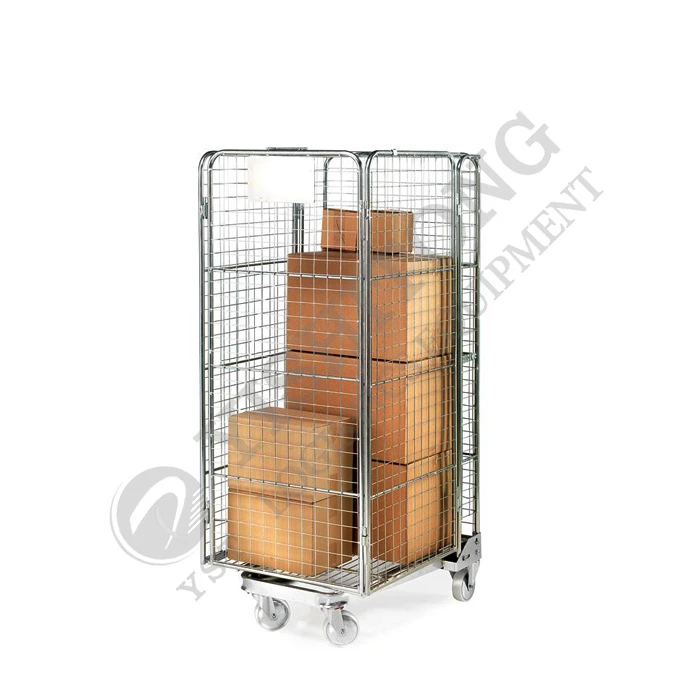
If you're in the market for roll containers or need advice on the best labels for your specific application, I'd love to hear from you. Whether you need a 3 Sided Roll Container, a Mesh Roll Container, or a Roller Cage Container, I can provide you with the right solutions. Contact me today to start a conversation about your roll container and labeling needs.
References
- "Labeling Guidelines for Industrial Containers", Industrial Labeling Association
- "Best Practices for Inventory Management in Warehousing", Logistics Management Journal
- "Safety Labeling Standards in the Healthcare Industry", Healthcare Safety Institute