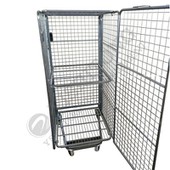
In the fast-paced food and beverage industries, efficient handling, storage, and transportation of goods are essential. Metal roll cages have become indispensable equipment in these industries, offering a practical solution for moving goods while maintaining hygiene and safety standards.
In this article, we'll explore why roll cages are so commonly used in the food and beverage sectors, the advantages they offer, and how they contribute to operational efficiency.
1. Streamlining Transportation Processes
The food and beverage industries deal with bulk items such as packaged foods, beverages, raw ingredients, and even delicate items like fresh produce or glass bottles. They play a critical role in transporting these goods efficiently across various stages of the supply chain.
Applications in Retail
In grocery stores and supermarkets, roll cages are used to move items directly from delivery trucks to storage areas or display shelves. Their wheeled design ensures quick transportation, saving valuable time and effort for staff.
For instance, a large supermarket receiving a bulk shipment of canned beverages can easily unload the goods from the delivery vehicle using roll cage trolleys and distribute them across different aisles or storage zones.
Applications in Production Facilities
Food factories and beverage plants rely on roll cage trolleys to transfer raw materials to production lines or move finished products to packaging and shipping areas. Their sturdy construction allows them to handle heavy loads, making them an essential tool for streamlining operations.
2. Meeting Hygiene Standards
Hygiene is a top priority in the food and beverage industries, and steel trolleys are specifically designed to meet these stringent standards.
Hygienic Materials
Most trolleys used in these industries are made from mild steel, and treated by zinc galvanized, materials that are resistant to rust and easy to clean.
- Rust Resistance: This ensures that the trolleys remain hygienic even when exposed to moisture, a common occurrence in food storage areas.
- Ease of Cleaning: Smooth surfaces and minimal crevices prevent dirt and bacteria from accumulating, reducing the risk of contamination.
Compliance with Regulations
Using hygienic equipment like trolleys helps businesses comply with food safety regulations, ensuring that products remain uncontaminated throughout the handling and transportation process.
3. Protecting Goods During Transport
Roll cages are designed with safety in mind, making them ideal for transporting fragile or high-value items in the food and beverage industries.
Mesh Sides for Security
The mesh sides of trolleys keep goods securely in place during transport, preventing items from falling or spilling. This is especially important for fragile goods like glass bottles, jars, or delicate food products such as cakes and pastries.
Prevention of Damage
By organizing goods within their compartments, roll containers reduce the likelihood of items being crushed or damaged during handling. This ensures that products reach their destination in perfect condition, minimizing losses and improving customer satisfaction.
4. Optimizing Storage Space
Space is a critical resource in food and beverage operations, where every square meter must be used effectively. Steel roll cages help businesses maximize their storage space in several ways.
Compact Design
When not in use, many trolleys can be folded or nested to reduce their footprint. This feature is especially useful in warehouses with limited space or during off-peak seasons when fewer trolleys are needed.
Vertical Stacking
Some cage trolleys are stackable, allowing goods to be stored vertically rather than horizontally. This makes it easier to organize products and frees up valuable floor space for other operations.
Use in Cold Storage
In refrigerated warehouses or cold rooms, roll cage trolleys help optimize space while ensuring that goods are stored under ideal conditions. Their durability allows them to withstand low temperatures without compromising functionality.
5. Enhancing Workplace Efficiency
Efficiency is a key factor in the success of food and beverage operations. By reducing manual handling and streamlining transportation, they contribute significantly to improved workplace productivity.
Mobility and Versatility
Equipped with high-quality wheels, roll cage trolleys can be moved effortlessly across large warehouses, retail spaces, or production facilities. They are also versatile enough to handle various types of goods, from beverages in crates to loose items in bulk.
Customization Options
Many cages can be customized with additional features, such as:
- Shelves: To separate and organize smaller items.
- Lockable Casters: To keep the trolley stationary when needed.
These features make roll containers adaptable to the specific needs of food and beverage businesses.
6. Cost-Effectiveness
Investing in heavy-duty roll containers is a cost-effective solution for businesses in the food and beverage industries.
Long-Term Durability
Made from high-quality materials like mild steel, they are built to last. Their durability reduces the need for frequent replacements, saving businesses money over time.
Reduced Labor Costs
By simplifying the process of moving goods, roll cage trolleys reduce the need for manual handling. This not only saves time but also lowers labor costs, making operations more efficient.
7. Sustainability Benefits
As sustainability becomes a priority in the food and beverage sectors, roll cage trolleys offer several environmental advantages.
Recyclable Materials
Most roll cage trolleys are made from recyclable materials, such as steel, contributing to a circular economy.
Efficient Use of Resources
Their compact design and ability to optimize storage space reduce the need for additional storage equipment, minimizing the overall environmental footprint of the operation.
Frequently Asked Questions (FAQs)
1. Are roll cage trolleys suitable for perishable goods?
Yes, roll cage trolleys are ideal for transporting perishable goods. Their hygienic design and protective features, such as mesh walls and dividers, ensure that goods remain safe and uncontaminated.
2. What are the weight limits of roll cage trolleys?
The weight capacity of roll cage trolleys varies depending on the model, but most can handle loads of up to 500 kilograms. Always check the manufacturer's specifications to ensure suitability for your needs.
3. Can roll containers be used in cold storage?
Yes, roll containers are commonly used in cold storage facilities. Their durable materials, such as galvanized steel, can withstand low temperatures without compromising performance.
4. How do metal roll cages save space?
They save space through their foldable or stackable designs, which allow for efficient storage when not in use. They also help organize goods, reduce clutter and maximize floor space.
5. Why are steel cage trolleys preferred over traditional pallets?
They offer added features, such as mobility, mesh walls, and customizable compartments, making them more versatile and user-friendly than traditional pallets.
Conclusion
The food and beverage industries rely heavily on roll cage trolleys for their versatility, durability, and efficiency. From streamlining transportation processes to maintaining hygiene standards and optimizing storage space, these trolleys address many challenges faced by businesses in these sectors.
Whether you're managing a supermarket, a food factory, or a beverage distribution center, investing in high-quality roll cage trolleys is a smart choice that can enhance your operations and improve productivity.
Ready to upgrade your storage and transport solutions? Contact us today to explore the best roll cage trolleys for your business needs!