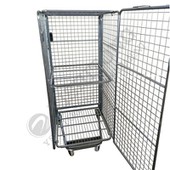
In an era where environmental sustainability is not just a preference but a necessity, industries worldwide are seeking ways to minimize their ecological footprint. The logistics and warehousing sectors are no exception, with businesses increasingly exploring eco-friendly solutions that align with their sustainability goals. Among various innovations, roll cage trolleys stand out for their substantial environmental benefits. These versatile and durable carriers are proving to be more than just efficient logistics tools; they are also contributors to sustainable operations. Here's how trolleys are helping warehouses and distribution centers become greener.
Reduced Dependence on Disposable Packaging
One of the most significant environmental advantages of using 4 sided cage trolley is the reduction in the need for disposable packaging materials. Items transported in roll cages typically require less individual wrapping, as the design and structure of the trolleys offer protection against damage during transit. This decrease in the use of single-use plastics, cardboard boxes, and other disposable packaging materials directly contributes to waste reduction. By minimizing waste, companies not only adhere to sustainable practices but also reduce their disposal costs, creating a win-win scenario.
Durability and Longevity
The robust construction of 4 sided cage trolley ensures that they can withstand the rigors of frequent use without significant wear and tear. This durability translates to a longer lifespan compared to other forms of transport and storage solutions, such as wooden pallets or cardboard boxes, which may quickly degrade and contribute to waste. The long service life of roll cages means that fewer resources are consumed over time for replacements, thus reducing the environmental impact associated with the production and disposal of logistics equipment.
Recyclability at The End of Life
When roll containers do eventually reach the end of their useful life, their materials-primarily metals like steel-can be recycled. Recycling metals requires significantly less energy than producing them from raw materials, offering a substantial energy saving that lowers greenhouse gas emissions. The recyclability of the cage trolleys ensures that they contribute to a circular economy, where materials are reused and recycled, minimizing waste and the depletion of natural resources.
Energy Efficiency in Transportation
The design of 4 sided cage trolley allows for efficient loading and unloading processes, reducing the time vehicles spend idling during these operations. Additionally, their ability to securely hold a large volume of goods in a compact space can optimize the use of transportation resources. By maximizing the load capacity of each delivery vehicle, the number of trips required can be reduced, leading to lower fuel consumption and decreased emissions. This efficiency not only benefits the environment but also contributes to cost savings on fuel and maintenance.
Promoting Lean Operations
Steel roll cages support leaner warehouse operations by improving inventory management and reducing overstocking. Efficient handling and storage mean that goods can flow more smoothly through the supply chain, decreasing the need for excessive storage space and the associated energy consumption for lighting, heating, and cooling vast warehouse areas. Lean operations not only reduce energy use but also minimize the carbon footprint of storage facilities.
In Conclusion
The environmental benefits of 4 sided cage trolley are clear and compelling. By reducing the reliance on disposable packaging, enhancing durability, supporting recyclability, improving transportation efficiency, and promoting lean operations, these versatile tools play a pivotal role in the greening of the logistics and warehousing sectors. As businesses continue to prioritize sustainability, the adoption of roll cage trolleys represents a practical step towards achieving environmental goals and contributing to a more sustainable future.