

Do laundry cages help with laundry organization?
Laundry is a never - ending chore in both residential and commercial settings. Whether you're running a hotel, a nursing home, a large household, or a laundry service, keeping your laundry organized can be a real challenge. One solution that has gained popularity in recent years is the use of laundry cages. As a laundry cage supplier, I have witnessed firsthand the impact these simple yet effective tools can have on laundry organization.

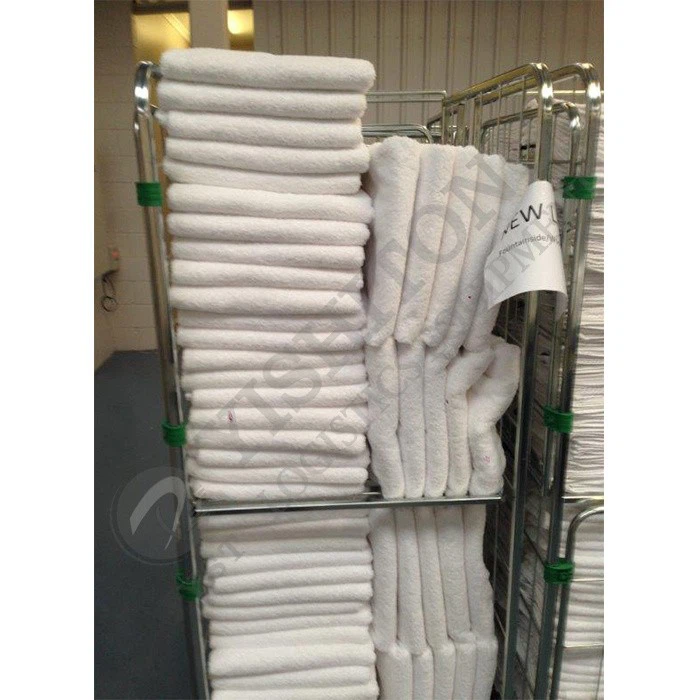
The Basics of Laundry Cages
Laundry cages are large, usually metal - framed containers with mesh sides. They come in various sizes and designs, from small, portable units to large, industrial - scale cages. Their primary function is to hold dirty laundry before it's washed and clean laundry after it's dried and folded.
One of the key features of laundry cages is their durability. Made from sturdy materials like steel, they can withstand the weight of heavy loads of laundry. This is especially important in commercial settings where large volumes of laundry are processed daily. The mesh sides allow for air circulation, which helps prevent the growth of mold and mildew on damp laundry.
Benefits of Using Laundry Cages for Organization
Sorting and Separation
One of the most significant advantages of laundry cages is their ability to help with sorting. In a commercial laundry, different types of fabrics, colors, and levels of dirtiness need to be separated. With laundry cages, you can easily label each cage for a specific category, such as whites, colors, delicates, or heavily soiled items. This not only makes the washing process more efficient but also reduces the risk of color bleeding and fabric damage.
In a residential setting, laundry cages can be used to separate the laundry of different family members. For example, you can have a cage for each person or a cage for different types of clothing, like underwear, socks, and outerwear. This makes it easier to keep track of everyone's laundry and ensures that nothing gets lost in the shuffle.
Space Management
Laundry cages are designed to make the most of available space. In a laundry room or storage area, they can be stacked or placed side by side, maximizing vertical and horizontal space. Some laundry cages, such as the Collapsible Laundry Trolley, are designed to be folded when not in use, which is great for saving space in small laundry rooms or storage closets.
In commercial laundries, where space is often at a premium, the ability to stack and arrange laundry cages efficiently can significantly increase the overall storage capacity. This means that more laundry can be stored on - site, reducing the need for frequent trips to off - site storage facilities.
Mobility
Many laundry cages come with wheels, which makes them highly mobile. This is particularly useful in commercial settings where laundry needs to be transported from different areas, such as guest rooms in a hotel or patient rooms in a nursing home, to the laundry facility. The mobility of laundry cages also makes it easier to move clean laundry back to the appropriate locations after it has been processed.
In a large household, wheels on laundry cages can make it easier to transport laundry from bedrooms to the laundry room and back. For example, the Folding Laundry Trolley and Foldable Laundry Trolley are both equipped with wheels for easy movement and can be folded for convenient storage.
Visibility
The mesh design of laundry cages provides excellent visibility. You can easily see what's inside each cage without having to open it or rummage through the contents. This is especially helpful when you're looking for a specific item of clothing or trying to determine how much laundry is left to be washed. In a commercial laundry, visibility also makes it easier for staff to quickly identify and retrieve the correct laundry for processing.
Considerations When Using Laundry Cages
Size and Capacity
When choosing laundry cages, it's important to consider the size and capacity that will best suit your needs. In a small household, a smaller cage may be sufficient, while a large commercial laundry will require larger, more robust cages. Make sure to measure the available space in your laundry room or storage area to ensure that the cages you choose will fit comfortably.
Cleaning and Maintenance
Like any other piece of equipment, laundry cages require regular cleaning and maintenance. The mesh sides can accumulate dust, dirt, and lint over time, so it's important to clean them periodically. You can use a brush or a vacuum cleaner to remove debris from the mesh. Additionally, check the wheels and hinges regularly to ensure that they are in good working condition.
Cost
The cost of laundry cages can vary depending on their size, material, and features. While they may require an initial investment, the long - term benefits of using laundry cages for organization can outweigh the cost. In a commercial setting, the increased efficiency and productivity can lead to significant savings in the long run.
Conclusion
In conclusion, laundry cages are an excellent tool for laundry organization in both residential and commercial settings. They offer numerous benefits, including sorting and separation, space management, mobility, and visibility. By choosing the right laundry cages for your needs and maintaining them properly, you can streamline your laundry process and keep your laundry room or storage area organized.
If you're interested in improving your laundry organization and are considering purchasing laundry cages, I encourage you to get in touch. Our team of experts can help you select the best laundry cages for your specific requirements. Whether you need a small, collapsible trolley for your home or large, industrial - grade cages for your business, we have a wide range of options to choose from. Contact us today to start the conversation about how laundry cages can transform your laundry organization.
References
- "Laundry Management Best Practices," Industry Insights Journal, Vol. 12, Issue 3.
- "Efficient Space Utilization in Laundry Facilities," Commercial Laundry Review, Vol. 20, Issue 1.