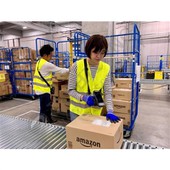
Yes, nestable roll cage trolleys are incredibly easy to clean and maintain, making them a reliable choice for industries requiring hygienic and durable storage solutions.
Their design, materials, and surface treatment such as zinc plating or powder coating, ensure that cleaning is straightforward and upkeep requires minimal effort. Whether used in retail, logistics, or food industries, these trolleys are built for longevity and convenience.
What Makes Nestable Roll Cages Easy to Clean?
The design and materials used in trolleys are the key reasons for their ease of cleaning. Unlike traditional carts with intricate designs or porous surfaces, these trolleys are engineered for practicality:
1. Smooth, Non-Porous Surfaces
The primary feature contributing to their easy maintenance is the smooth, non-porous surfaces. These surfaces:
- Prevent dirt and grime from accumulating.
- Make it easy to wipe down or sanitize after use.
- Are ideal for industries requiring high hygiene standards, such as food transportation.
2. Advantages of Surface Finishes
They often feature specialized surface finishes, each offering unique advantages:
- Zinc-Plated Finish:
- Provides excellent corrosion resistance, extending the trolley's lifespan.
- Ideal for damp or humid environments, such as refrigerated warehouses.
- Creates a sleek, hygienic surface that is easy to clean with basic cleaning agents.
- Powder-Coated Finish:
- Adds a layer of protection against scratches and rust.
- Available in customizable colors, aiding in organization or branding.
- The smooth texture allows for effortless cleaning, even in heavy-use environments.
- Mild Steel Q235 nd Surface Finished:
- Offers the highest level of resistance to rust and chemical damage.
- Perfect for industries handling chemicals, food, or pharmaceuticals.
- Its polished surface requires minimal cleaning effort to maintain a like-new appearance.
3. Simple Design with Minimal Crevices
The straightforward design of trolleys minimizes hard-to-reach areas where dirt can accumulate, ensuring cleaning efficiency.
How to Maintain Nestable Cage Trolleys?
Proper maintenance ensures these trolleys remain in optimal condition for years. Here are some simple steps for upkeep:
1. Regular Cleaning Practices
- Wiping: Use a damp cloth and mild detergent to remove surface dirt and stains after each use.
- Pressure Washing: For deeper cleaning, particularly after transporting messy items, use a pressure washer. Ensure the trolley is dried thoroughly to prevent water damage.
- Disinfecting: In industries like healthcare or food, sanitize the trolley using an appropriate disinfectant to maintain hygiene standards.
2. Inspect for Wear and Damage
Regularly check for:
- Loose or damaged wheels.
- Bent or misaligned frames.
- Rust or corrosion on unprotected surfaces.
3. Lubricate Moving Parts
Apply lubricant to the wheels to ensure smooth operation and reduce wear caused by friction.
4. Store Correctly
When not in use, roll containers should be nested and stored in a dry area to prevent exposure to moisture or harsh conditions that could lead to rust.
What Are the Benefits of Proper Cleaning and Maintenance?
1. Improved Hygiene
Regular cleaning ensures that the trolleys are free of dirt, dust, and harmful bacteria, making them safe for transporting goods, especially in food, retail, and healthcare industries.
2. Enhanced Durability
Proper maintenance, including rust prevention and timely repairs, extends the life of the trolleys, reducing replacement costs.
3. Cost Efficiency
By avoiding frequent breakdowns and replacements, businesses save on operational costs, allowing for a more efficient allocation of resources.
4. Safety Assurance
Maintained trolleys are less likely to malfunction, reducing the risk of accidents such as collapsing frames or jammed wheels during operation.
Common Mistakes to Avoid When Cleaning and Maintaining Roll Containers
Even with the best intentions, certain oversights can reduce the efficiency and lifespan of your trolleys. Here's what to avoid:
1. Using Abrasive Cleaning Materials
Avoid wire brushes or harsh cleaning chemicals that can scratch or damage the protective surface finishes.
2. Overlooking Wheels
The wheels are critical for mobility. Neglecting these areas can lead to squeaking, jamming, or complete failure.
3. Exceeding Weight Limits
Overloading trolleys can strain the frame and wheels, leading to irreversible damage. Always adhere to the manufacturer's recommended weight limits.
4. Ignoring Signs of Wear
Small issues, such as minor rust spots, can escalate into major problems if not addressed promptly.
Comparing Nesting Roll Containers to Other Trolleys
How do nestable roll cage trolleys measure up against other types of trolleys?
1. Durability and Maintenance
- Nesting Roll Containers: Zinc-plated and powder-coated finishes offer superior durability and ease of cleaning.
- Plastic Trolleys: Easier to clean but less durable, prone to cracking under heavy loads.
2. Space Efficiency
- Nesting Roll Containers: Nestable design allows for compact storage when not in use.
- Flatbed Trolleys: Bulkier and require more storage space.
3. Load Capacity
- Nesting Roll Containers: Designed for high-load capacity, with reinforced frames and heavy-duty wheels.
- Shelf Trolleys: Better suited for lightweight loads but lack the durability of roll cages.
Real-World Examples of Roll Cage Trolley Use
1. Retail Industry
In retail stores, nestable roll cage trolleys are essential for stocking shelves. Their maneuverability and ease of cleaning make them ideal for use in customer-facing environments.
2. Food and Beverage Logistics
Hygiene is critical in the food industry. The smooth, non-porous finishes of these trolleys ensure compliance with sanitation standards, while their robust construction handles heavy loads with ease.
3. Warehousing and Distribution
In warehouses, nestable roll cage trolleys are used for moving bulk items. Their modular design allows for efficient use of space when not in operation.
FAQs About Steel Roll Containers
1. How do I clean a metal roll cage efficiently?
Use a damp cloth with mild detergent for surface cleaning. For deeper cleaning, use a pressure washer and ensure the trolley is thoroughly dried afterward.
2. What is the load capacity of a typical metal trolley?
Load capacities vary but typically range between 300-500 kg. Always check the manufacturer's specifications.
3. Are cage trolleys suitable for outdoor use?
Yes, but it's recommended to use zinc-plated or stainless steel finishes for outdoor applications to prevent rust.
4. Can damaged heavy-duty roll containers be repaired?
Yes, small parts like wheels and locks can often be replaced or repaired to extend the trolley's lifespan. If the base and frame are damaged, it is recommended to replace the entire container to ensure the safety of employees.
5. What industries benefit most from cage trolleys?
Industries such as retail, logistics, food and beverage, and healthcare benefit greatly due to the trolleys' durability, hygiene, and mobility features.